
Video Sources 0 Views Report Error
Synopsis
Introduction
Nosferatu (1922) is one of the most iconic horror films in cinema history — a silent German Expressionist masterpiece directed by F. W. Murnau. It is an unauthorized adaptation of Bram Stoker’s Dracula, which brought the vampire legend to life on screen for the first time. Despite legal issues and near destruction, Nosferatu survived and went on to influence every vampire movie ever made.
In this article, we’ll explain the full story of Nosferatu, explore its hidden meanings, and discuss why it remains one of the scariest silent films ever created.
Plot Summary: Nosferatu Full Movie Explanation
1. The Beginning – Hutter’s Journey
The movie begins in the fictional city of Wisborg, where a young real estate agent named Thomas Hutter lives with his wife Ellen. Hutter’s employer, Knock, sends him to Transylvania to sell a house to a mysterious Count named Orlok.
Knock seems obsessed with dark forces and strange symbols — a foreshadowing of what’s to come.
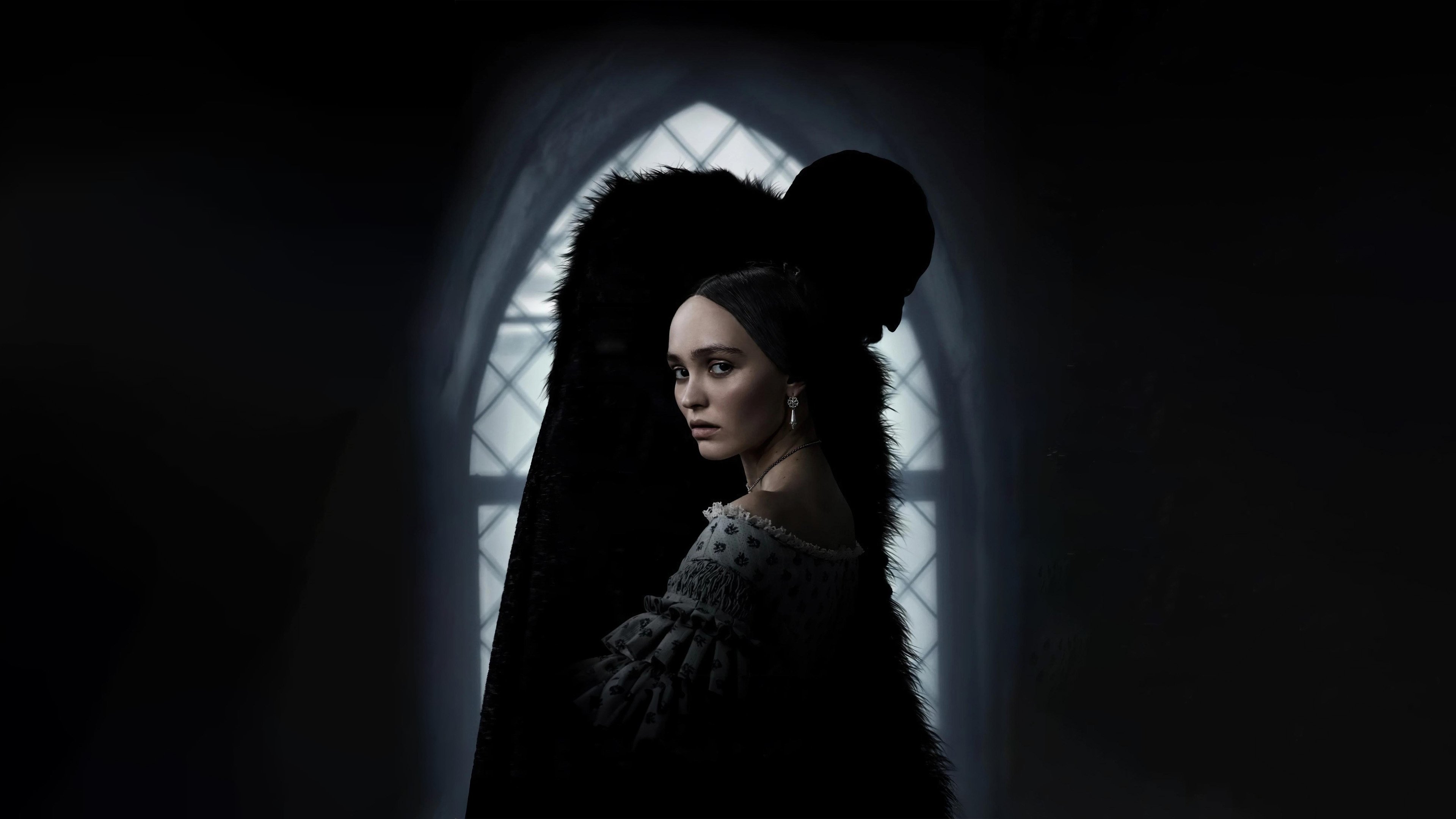
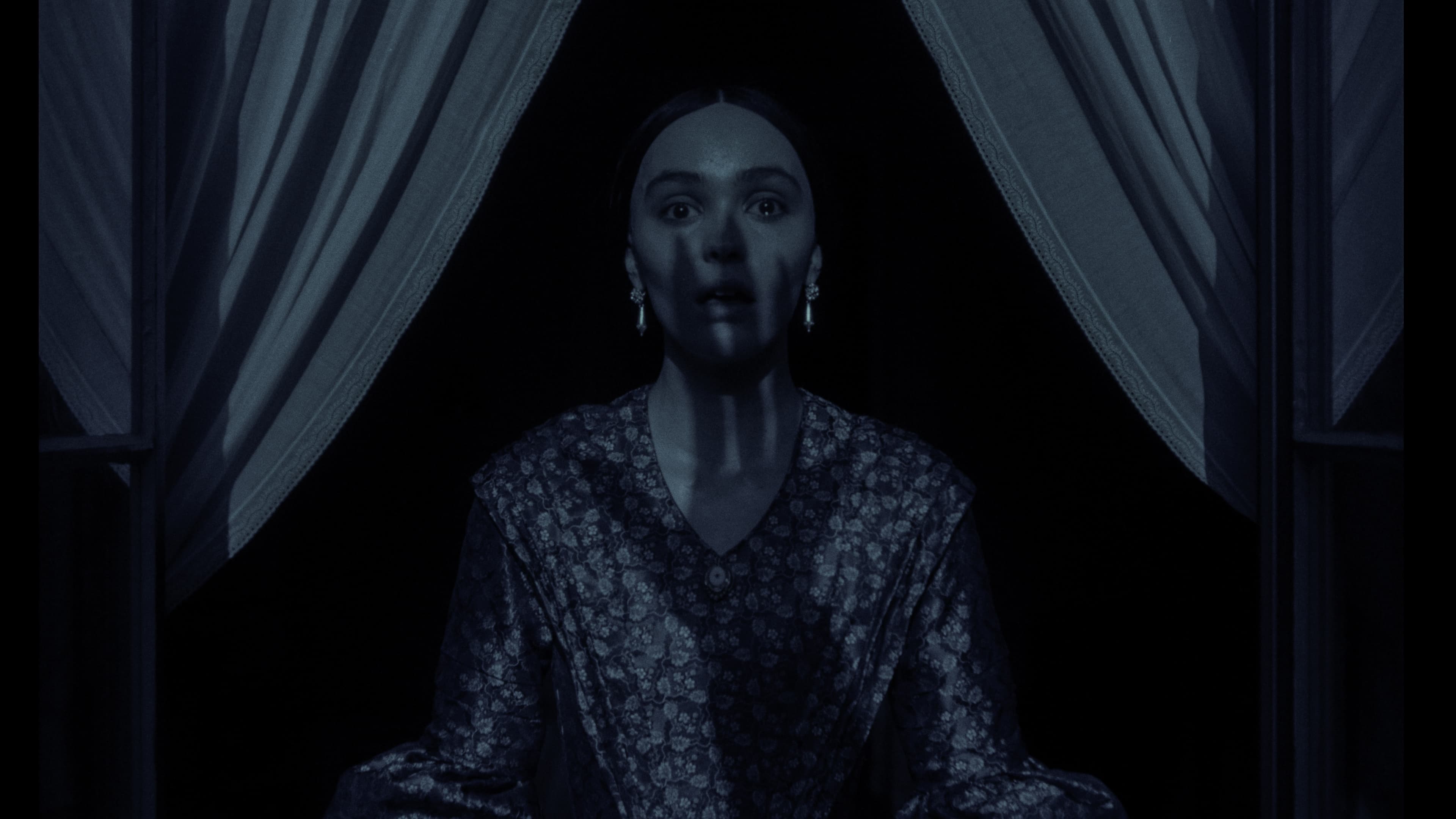
Ellen, Hutter’s wife, is pure and innocent. She senses danger before her husband leaves, saying she has a “feeling of death” around her.
2. Arrival at Count Orlok’s Castle
Hutter travels through eerie mountains and gloomy villages. Locals warn him not to go to Orlok’s castle, mentioning vampires and evil spirits. They give him a book called The Book of the Vampires.
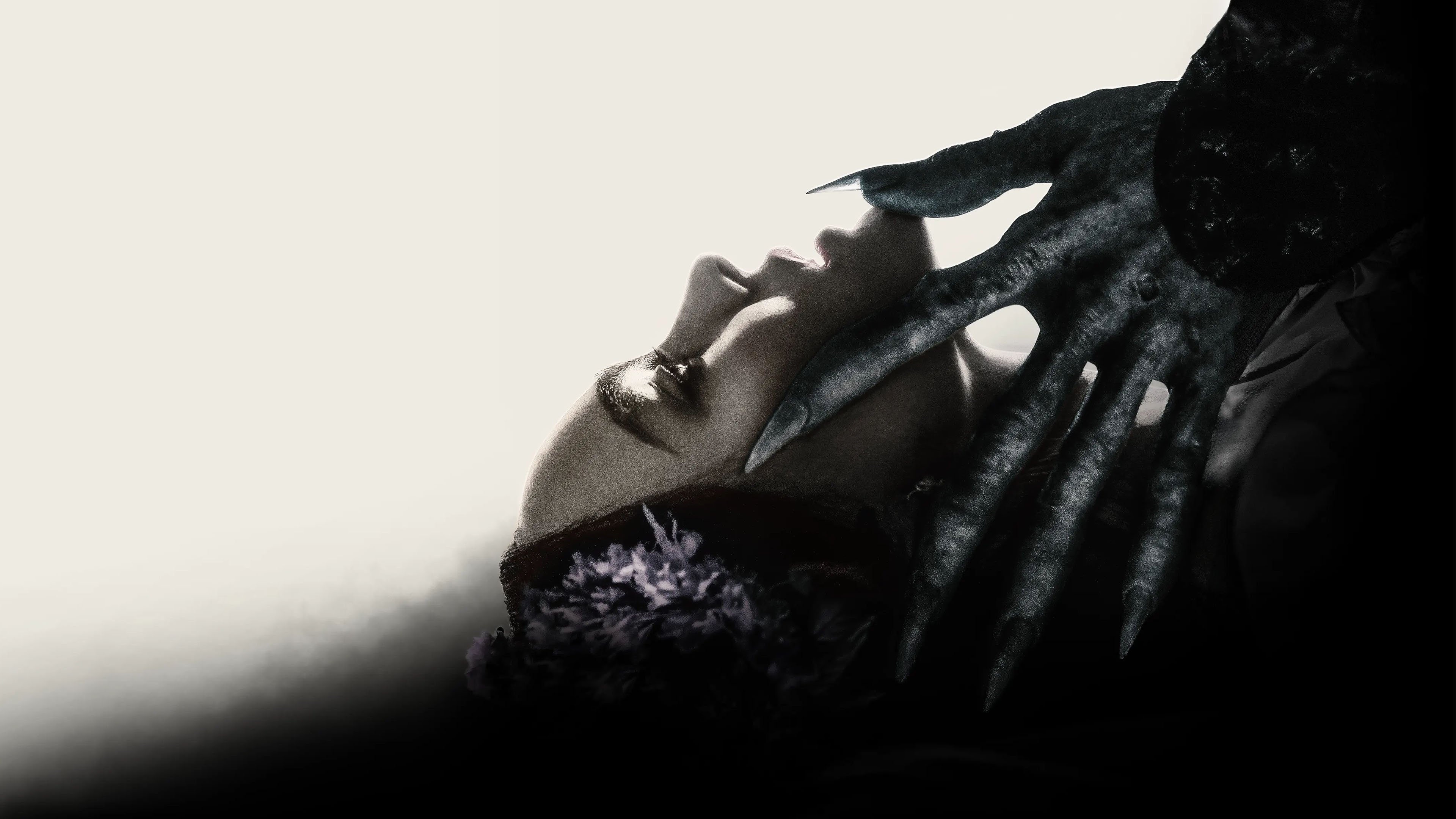
When Hutter finally reaches the castle, Count Orlok (played by Max Schreck) greets him. The Count is a horrifying figure — pale skin, long claws, sharp teeth, and a bald head with pointed ears.
That night, Hutter cuts his finger, and Orlok hungrily stares at the blood — the first clear sign that he is a vampire.
3. The Realization
Hutter soon realizes that Orlok sleeps in a coffin during the day. He reads from the vampire book and confirms that Orlok is a creature who feeds on human blood.
Orlok sees a picture of Ellen and becomes obsessed, whispering, “Your wife has a beautiful neck…”
That night, the Count drinks Hutter’s blood, leaving him weak and ill.
4. The Plague in Wisborg
Orlok travels to Wisborg by ship, bringing coffins filled with rats and disease. The crew mysteriously dies one by one. By the time the ship arrives, only Orlok remains — rising from his coffin to take control of the town.
Wisborg soon falls into panic. People believe it’s the plague, but the real cause is the vampire. The town is filled with death, fear, and superstition.
5. Ellen’s Sacrifice – The Ending Explained
Ellen learns from the vampire book that “a woman pure in heart who willingly gives her blood to the vampire and keeps him till the cock crows” can destroy him.
That night, she bravely calls Count Orlok to her room. He drinks her blood — but as dawn breaks, sunlight hits him.
The vampire freezes and disintegrates into smoke, ending his curse forever.
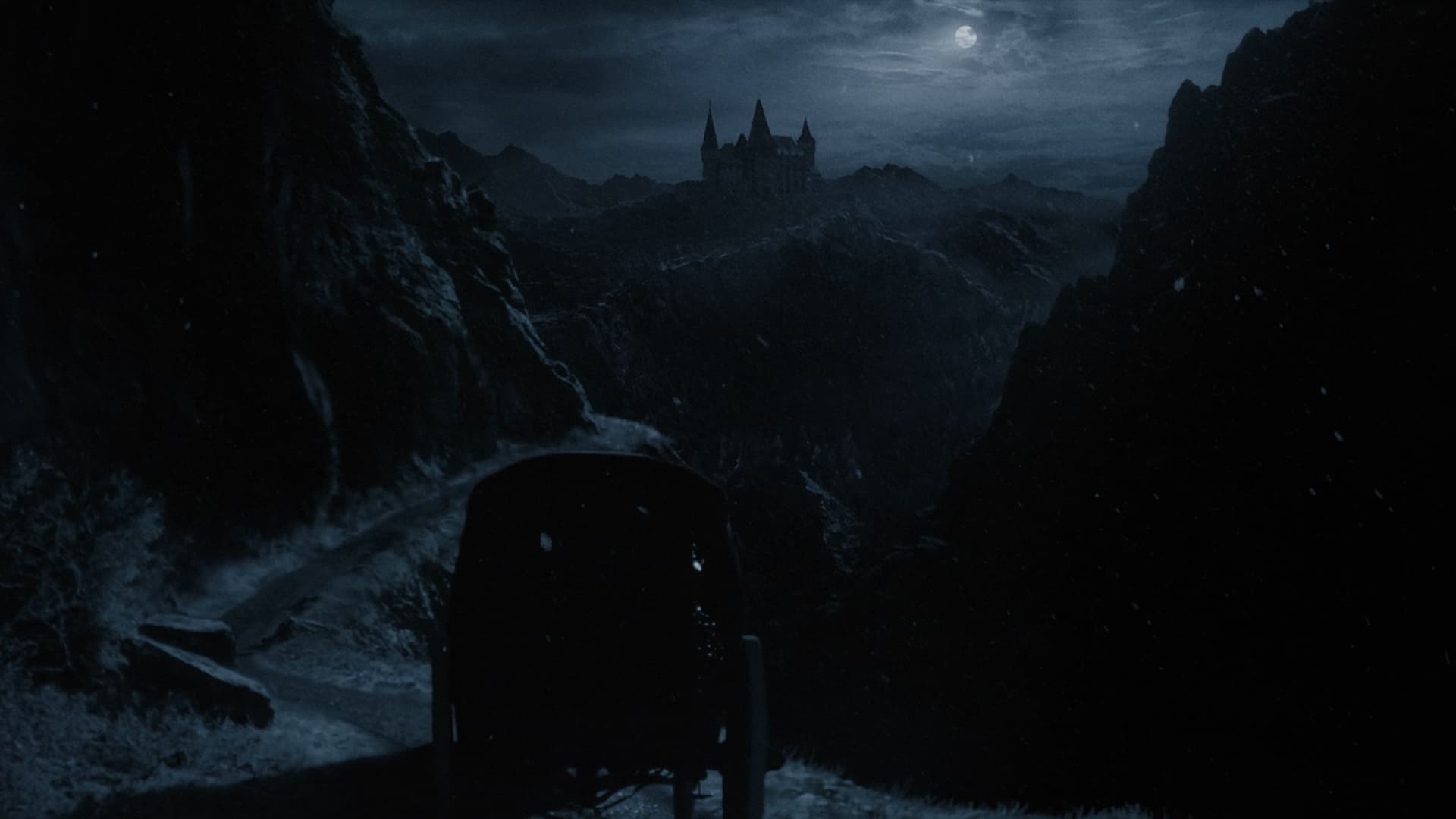
Ellen dies from blood loss, but she saves the town. The film ends with Orlok’s empty castle standing silent — a haunting image of evil defeated by sacrifice.
Themes and Meaning
- Good vs. Evil: The film shows how innocence and purity can defeat darkness.
- Fear of Disease: The rats and plague represent how quickly evil spreads — a reflection of post–World War I fears in Europe.
- Loneliness: Orlok is terrifying, but also tragic — cursed to live forever, craving what he can never have: human love.
- Expressionism: The film’s lighting, shadows, and distorted imagery mirror inner fear and madness.
Why Nosferatu Is So Important
- First Vampire Film: Nosferatu introduced many elements still used in vampire movies today — the coffin, sunlight weakness, and creepy castle.
- Silent Horror Masterpiece: Even without dialogue, the film creates tension through visual storytelling.
- Influence on Modern Cinema: From Dracula to Salem’s Lot to Shadow of the Vampire, Nosferatu’s shadow can be seen everywhere.
- Count Orlok’s Design: His monstrous, rat-like appearance broke the romantic image of vampires — showing them as truly undead creatures.
Nosferatu Ending Explained
At the end, when Count Orlok turns to dust, it symbolizes that evil cannot survive the light of truth. Ellen’s selfless act is both tragic and heroic — she represents purity defeating corruption. The destruction of the vampire restores balance to the world.
Interesting Facts About Nosferatu
- The film was almost lost forever after Bram Stoker’s widow sued for copyright infringement.
- Only a few prints survived, saving it from extinction.
- “Nosferatu” is a Romanian word meaning “undead,” though it was likely invented by the screenwriter.
- The actor Max Schreck was so convincing that rumors spread he was a real vampire!
Conclusion
Nosferatu (1922) is not just an old silent movie — it’s the origin of all vampire horror films. Its haunting atmosphere, chilling visuals, and timeless message about good versus evil make it a masterpiece that still scares audiences today.
Even a century later, the shadow of Count Orlok continues to crawl across cinema screens — reminding us that true horror never dies.
Suggested SEO Tags
Nosferatu movie explained, Nosferatu full story, Nosferatu ending explained, Nosferatu vampire, F. W. Murnau, Count Orlok, German Expressionism, classic horror film, silent movie horror, Nosferatu 1922 review, Nosferatu meaning, movie explanation website.
Original title Nosferatu
IMDb Rating 7.2 185,905 votes
TMDb Rating 6.7 2,454 votes
Director
Director
Cast
Ellen Hutter
Thomas Hutter
Count Orlok
Friedrich Harding
Prof. Albin Eberhart von Franz
Anna Harding
Dr. Wilhelm Sievers
Herr Knock
Clara
Louise
Similar titles